Balmaud Farms Its Way to the Future with Quiet Confidence
Distilleries are thin on the ground in the Aberdeenshire region of Scotland. Glen Garioch and Fettercairn keep the flag flying, while Royal Lochnagar holds court in the heart of the Highlands. For a few years now, a newcomer has quietly entered the scene, describing itself as ‘Old school farmers, New school distillers’. We paid a visit to Balmaud Distillery, near Turriff.
By Tom van Engelen – www.longpouramour.com
The flight from Amsterdam landed me in Aberdeen in no time at all. From there I took the rental car and drifted first through the eastern coastal stretch. Peterhead, once home to the long-closed Glenugie distillery, is a rather grey harbour town with a colossal power station as its main focal point. Further along, at the very tip of the land, lies Fraserburgh, where a lighthouse museum does a brisk trade with the general public.
People here seem perfectly at ease with the tempo of everyday life. The blue sea and the green hinterland are never far away. As I set my course for Balmaud Distillery, the car rolled through hills of such a deep, saturated emerald that I found myself once again discovering a new face of Scotland. This place is lush.
Nearing the destination, agricultural traffic steadily increases. On these narrow lanes I pass vehicles that have been improvised and adapted to perform some task that is entirely specific to one farm or the next. I round a final bend and there, sitting on top of a hill, is a brand-new distillery. The days of the iconic Doig pagoda are long behind us. Modern operations come with plenty of glass, so the wide landscape can be taken in from every angle. Half an hour later I’m standing in the stillhouse. On the horizon, the peak of Benrinnes traces a clear line. Speyside is close, yet still miles away. Later I would describe Balmaud to my host as a whisky castle on a hill. He hadn’t heard that one before.
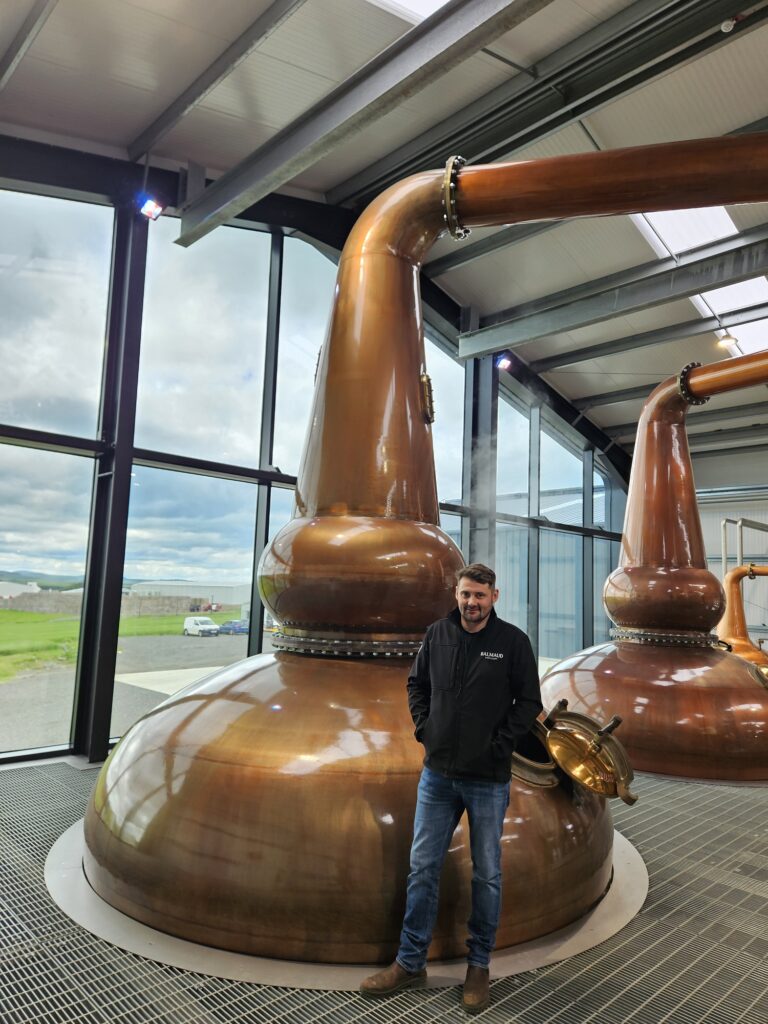
My host is Andrew James ‘AJ’ Green. Partner of Shannon Green (managing director) and son-in-law of Wilson Strachan, the founder of Balmaud. The Yonderton Farm from which the distillery has sprung has been growing grain for the whisky industry for more than fifty years. “The itch to make that leap ourselves had been there for some time, going back a generation. At a certain point, the decision was made. When we ordered the stills from Forsyths, it suddenly became very real,” AJ tells me.
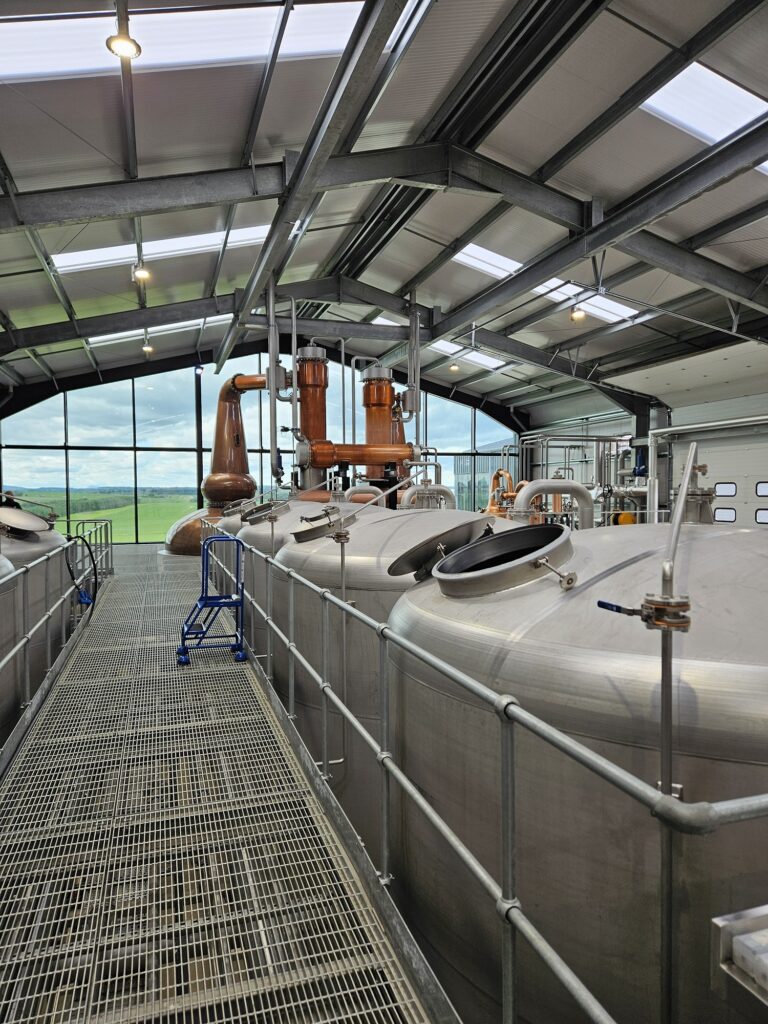
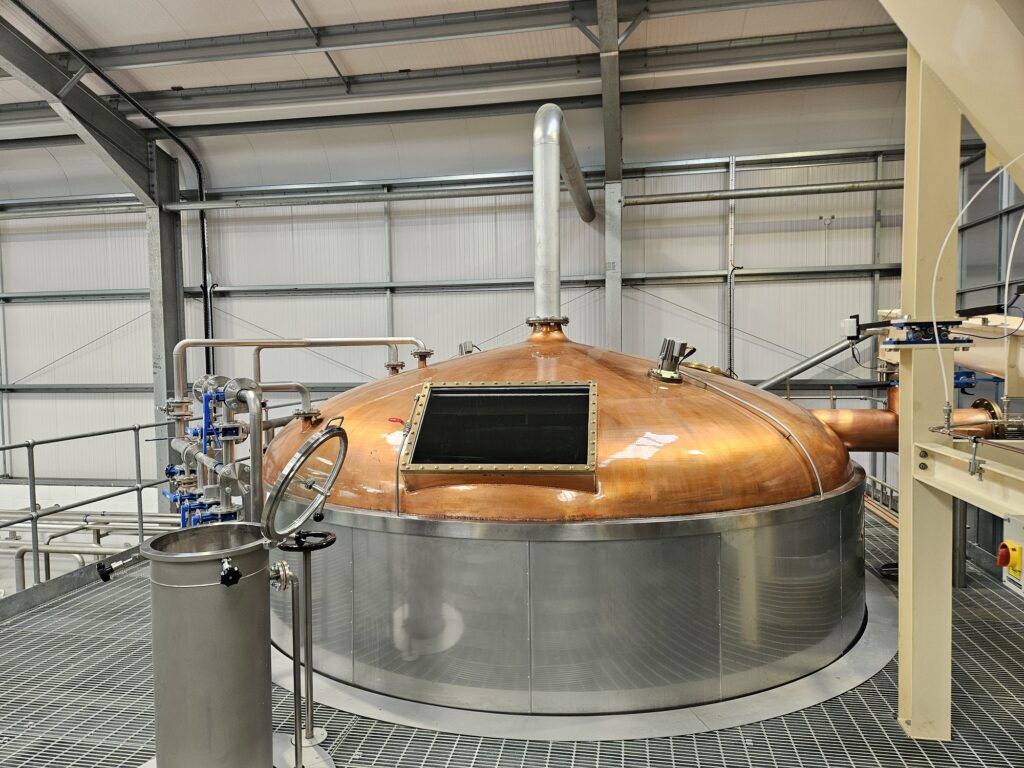
Since February 2025, Balmaud has been running at roughly one third of full capacity to fill casks. Maximum capacity sits at around 1.2 million litres per year. In practice, Balmaud carries out one distillation per day from a wash that has had 160 hours to ferment.
Grain as a consistent foundation
AJ Green is extremely satisfied with the operation he runs as Director. The complete control he has over what Balmaud works with fills him with genuine pride. “We work entirely with our own grain, a variety called Diablo. The yield sits consistently between 425 and 430 LPA (Litres of Pure Alcohol). The distillery runs like a Scottish clock. The big difference from what others deal with is that they typically have to blend malted barley sourced from perhaps five different farms. That doesn’t apply at Balmaud; the batch is entirely pure.”
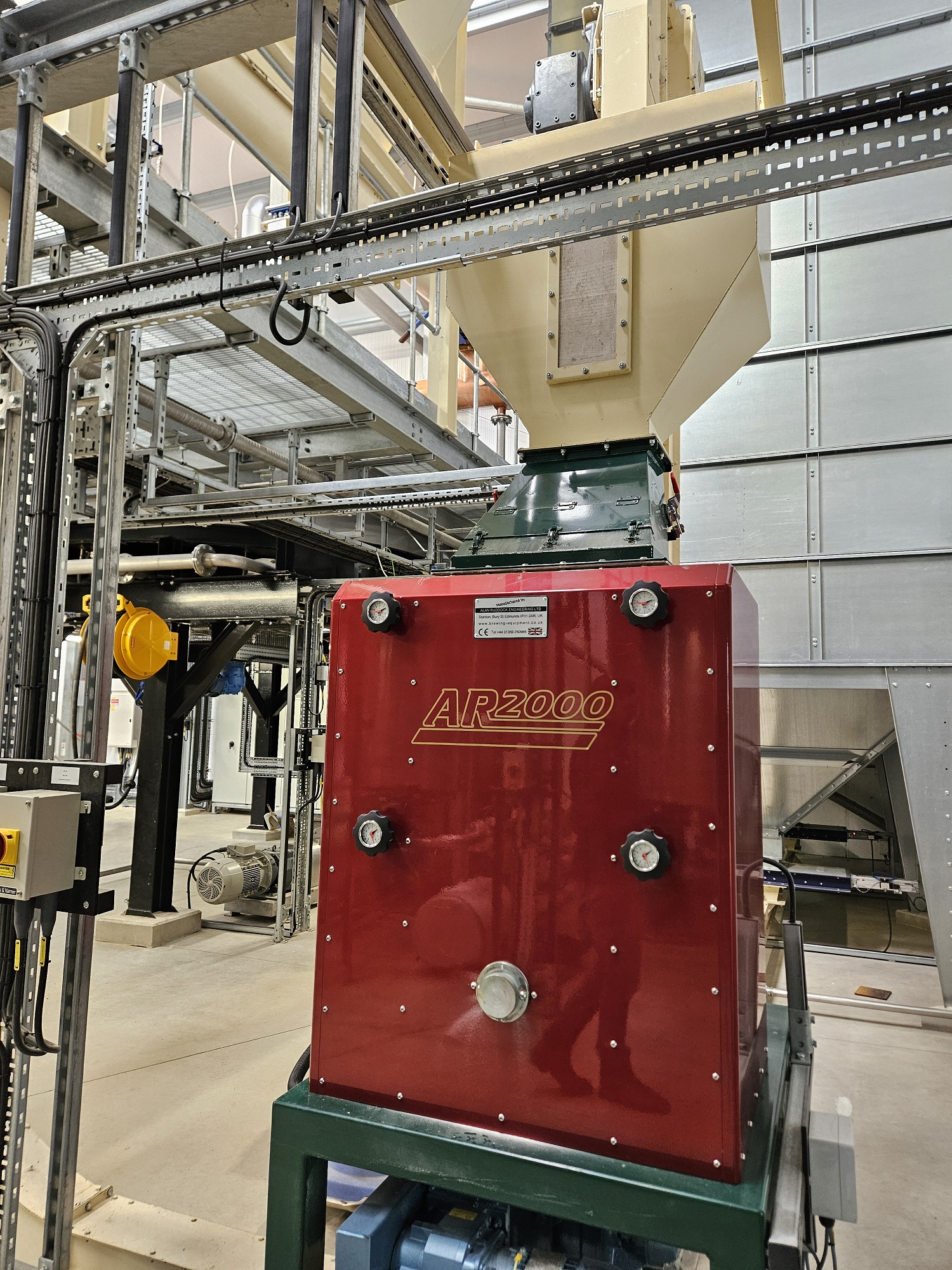
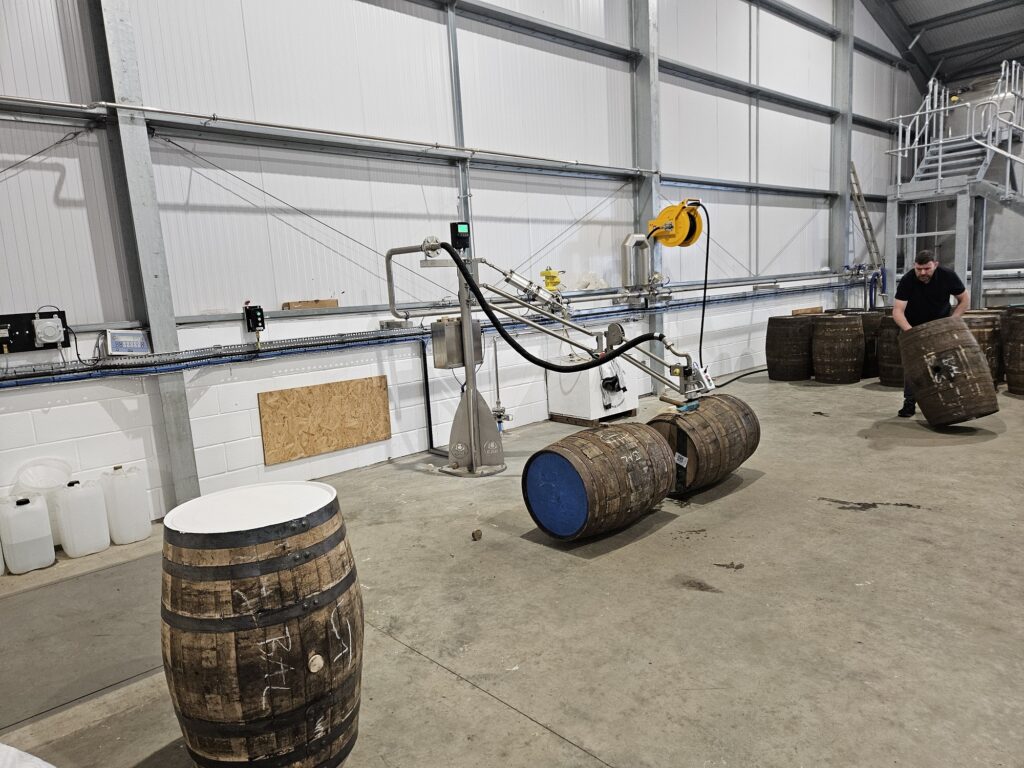
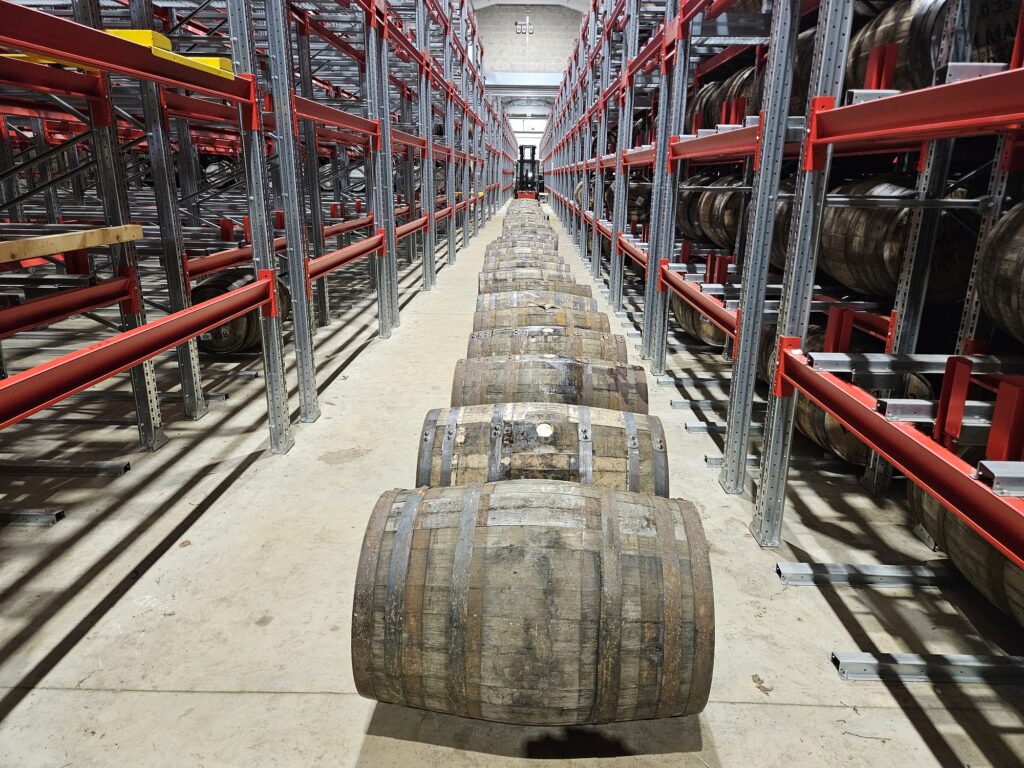
There is a dream of one day malting the estate grain on site, and there are other dreams besides. The outlines of a visitor centre are already there, with plenty of office space fitted out, but for now those rooms stand empty and bare. Distilling takes priority, to build up sufficient stock. Balmaud has drawn in experienced hands, among them Iain Kerr, who was part of Wolfburn in Thurso from its very first hour, and former manager Allan Findlay from the now-closed Speyside Distillery near Kingussie. Both have roots in Speyside. A small core team carries out all operations hands-on. During my visit, on a Friday afternoon after lunch, everyone — with no trace of hierarchy — is busy filling casks with new make spirit. Down the aisle of the warehouse, a long row of casks waits to be tucked away for several years. At least three years and a day, of course, before the word whisky may lawfully be used.
Baptised in whisky
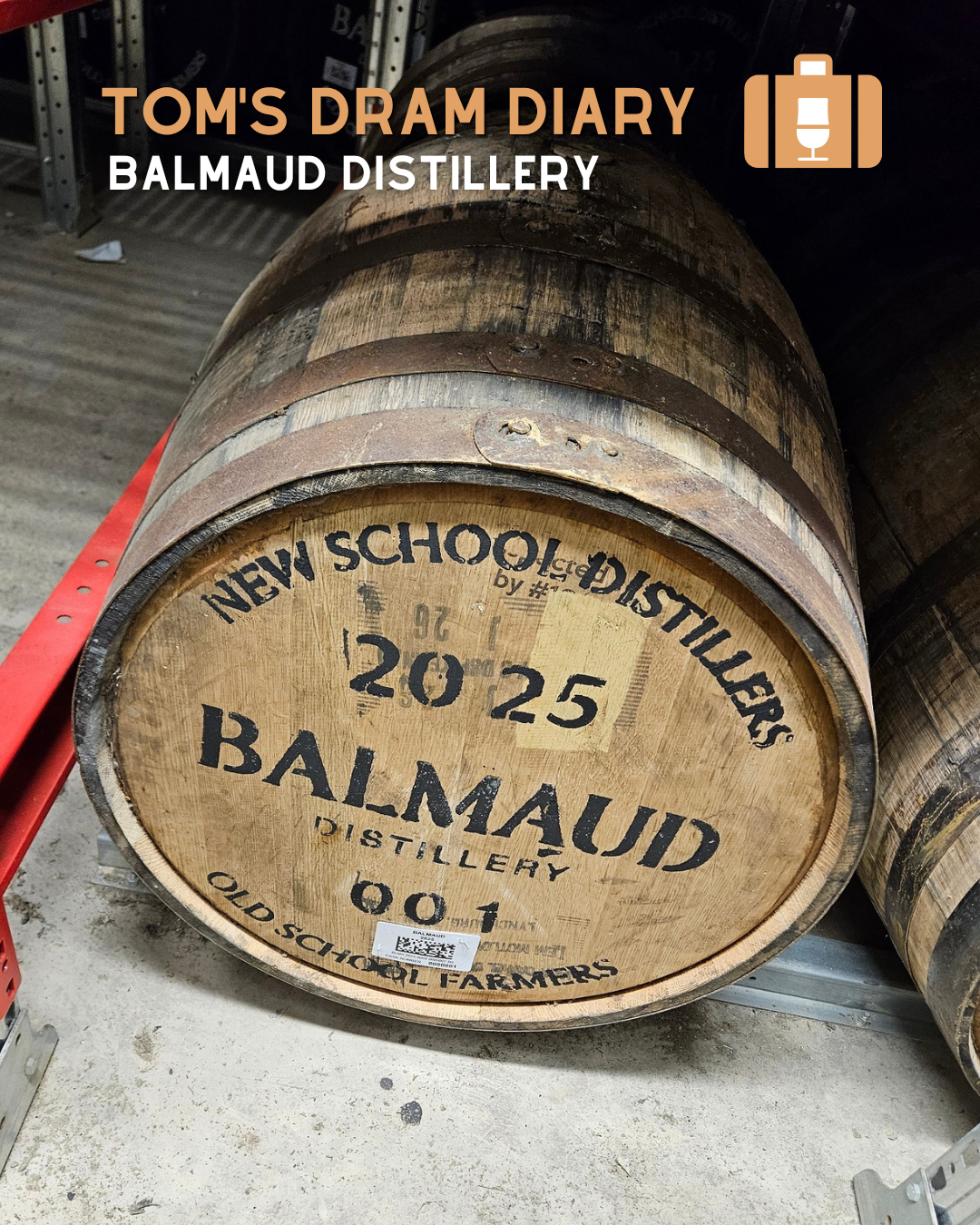
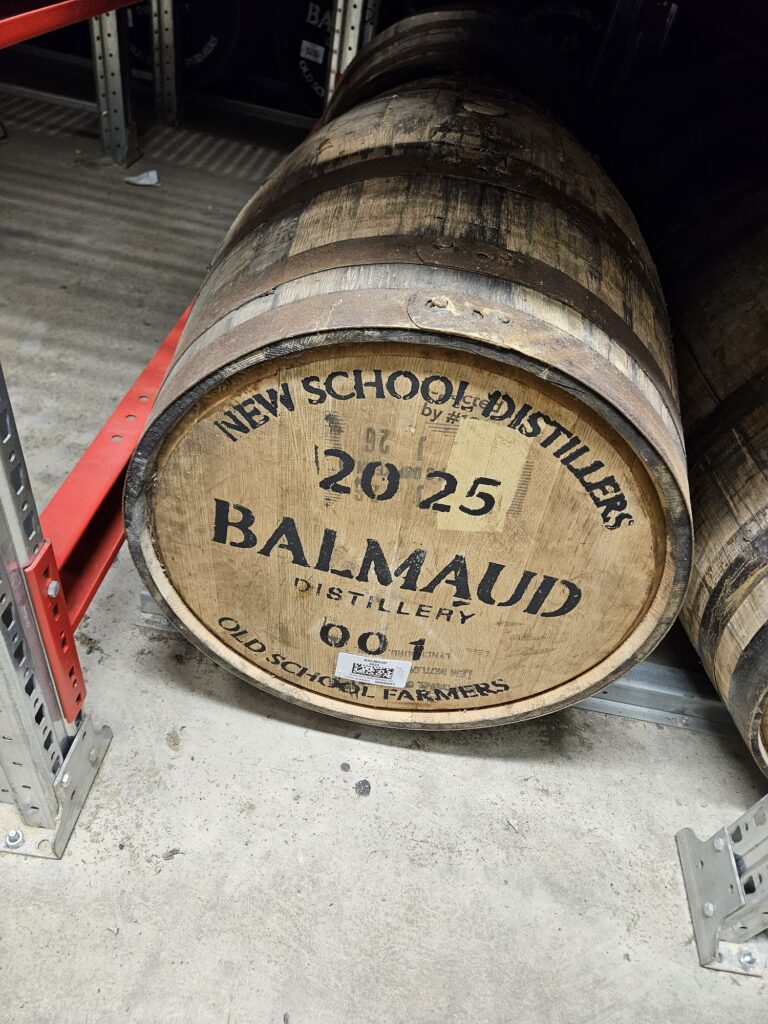
As we pass the very first cask ever filled at Balmaud, AJ shares an anecdote. “The first cask was filled by our two children. A lovely symbolic moment for the next generation. The only trouble was, the nozzle of the hose didn’t quite fit the opening in the cask. You had to hold it firmly in place. At a certain moment the thing popped loose and new make spirit sprayed everywhere. My children were absolutely drenched. They were baptised in whisky!”
Speaking of new make, we take some careful sips of the pure spirit. With that extended fermentation time, there is an enormous fruity quality to the glass. To see how the spirit responds to different wood types, AJ has also set aside some octaves, including one made from the rare Japanese oak, Mizunara. After 18 months of maturation, it already tastes wonderfully spicy and grown-up. Oloroso and PX sherry variants clearly need more time, while traditional American oak is progressing rather nicely. “We let the whisky tell us when it’s ready to be bottled, but I think we’ll be releasing an Inaugural Release fairly soon,” AJ lets slip. He hopes to build and vary on the Speyside style. Around 10,000 casks are maturing, the majority of them first fill. Storage space will soon become an issue, so requests are already going out the door. There is room enough, but at 55 casks a week, the ceiling comes into view quickly.
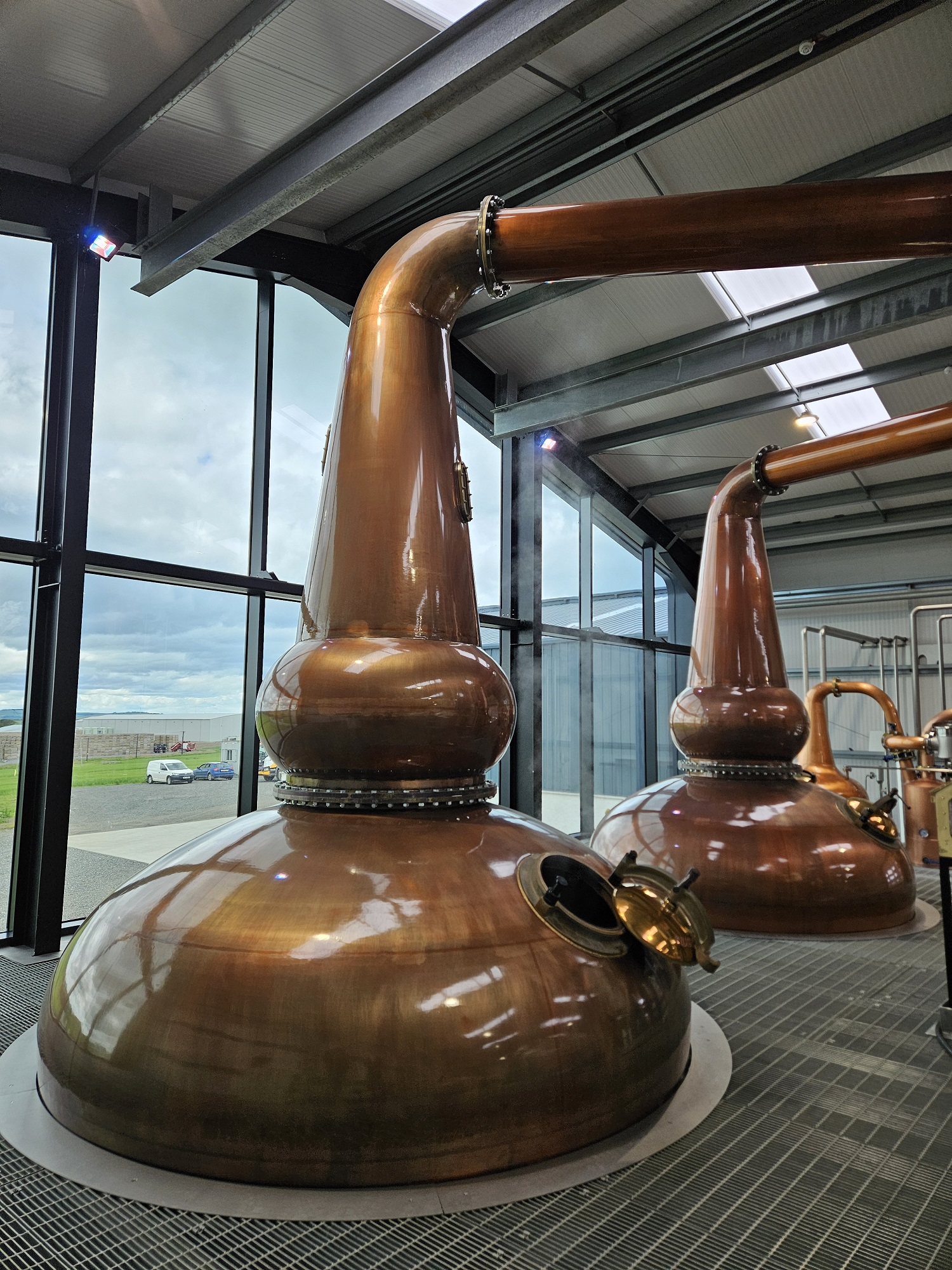
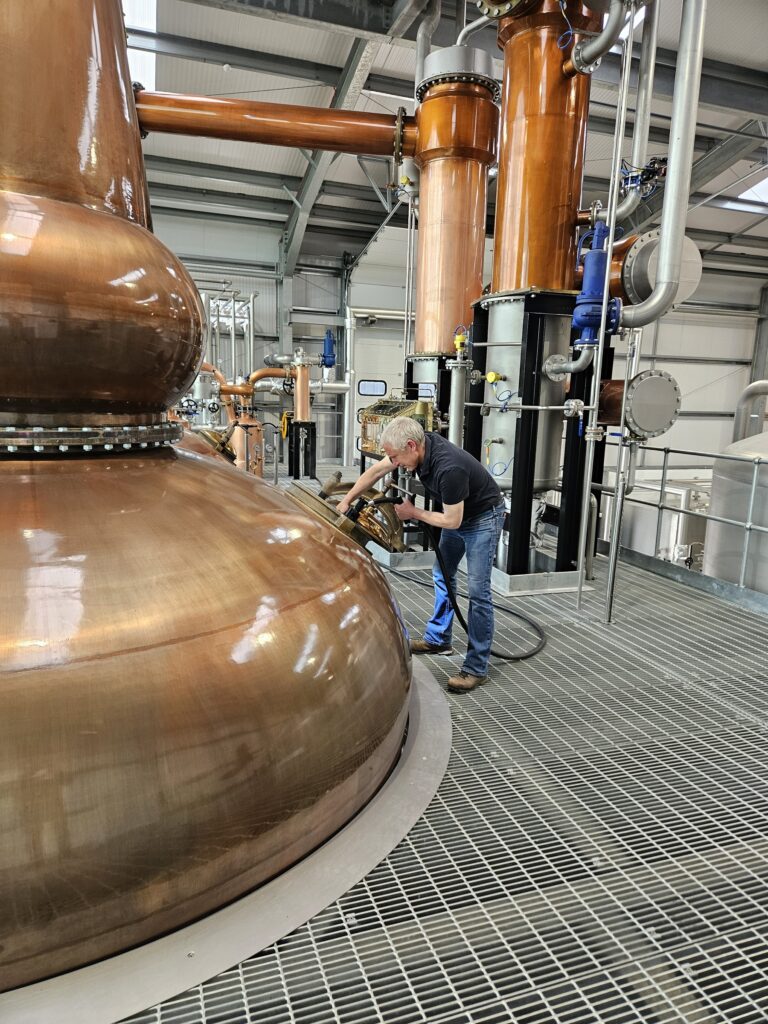
Drinking Balmaud will one day be as much about the story as it is about the glass. The real farmland, the 15,000-litre wash still and 10,000-litre spirit still, the sweeping estates visible through the tall glass of the stillhouse window. “We try to keep our footprint as small as possible. Our energy comes from two 2.3-megawatt wind turbines on our land. The stills use thermal vapour recompression (TVR) technology, to keep energy use as efficient and clean as possible. When the distillery isn’t running, we feed electricity back into the grid. Perhaps at some point we’ll store our generated energy in batteries.”
The ‘Scotch whisky’ stamp of quality
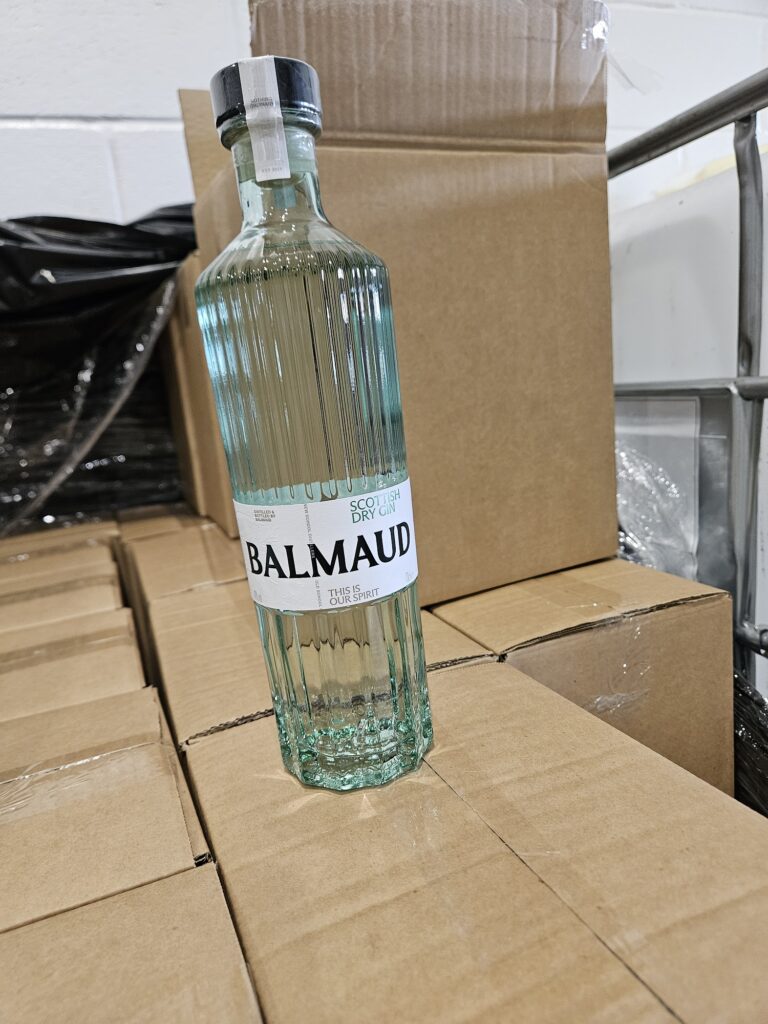
AJ and the people at Balmaud are under no illusions about current and future challenges. Declining consumption, a younger generation less interested in alcohol… these are headaches the whisky industry knows all too well. But not AJ. “I see ‘Scotch whisky’ as a quality hallmark, and that will always be in demand. It’s mainly the large players dealing with enormous volumes who feel the pinch. Balmaud doesn’t have that problem. Besides, a cooling economy has its advantages. We can get casks very easily at the moment. Even the more expensive sherry casks are straightforward to source.” With that variation on the words of Dutch football legend Johan Cruyff (‘every disadvantage has its advantage’), we take our leave. A handsome green-blue bottle of Balmaud Gin is apparently doing well in the British on-trade, and in the stillhouse we observed a small setup equipped with a twin retort for making rum in the Caribbean method. Balmaud is ready for the future.