Old school malt whisky in the tasting glass
We did a similar run of good old days whisky back in December for my birthday, and we built up a new stack in the last few months. These samples are a good insight in where (single malt) whisky came from. I have to thank my dear whisky friend Robbert, who gifted many of these samples to me. Don’t worry, I do return the favour! Also, my dear whisky friend Govert slipped me a mystery sample that turned out to be something marvellous. And then there was also one surprise from my buddy Daan. Read on!
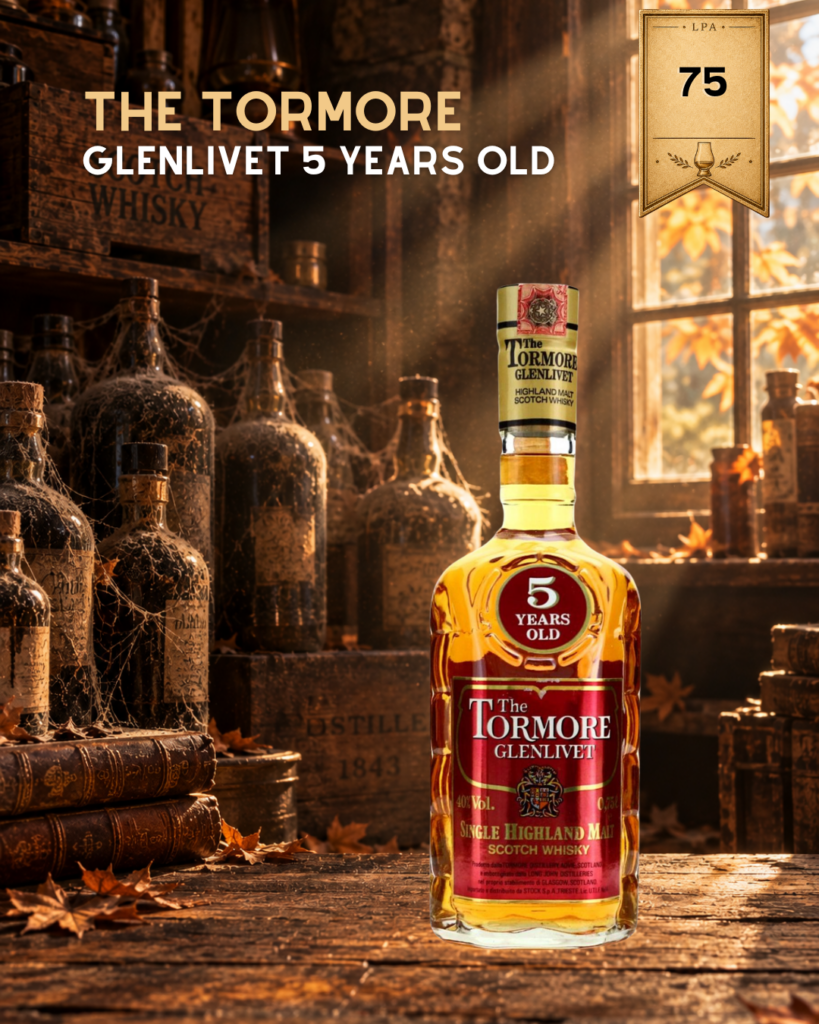
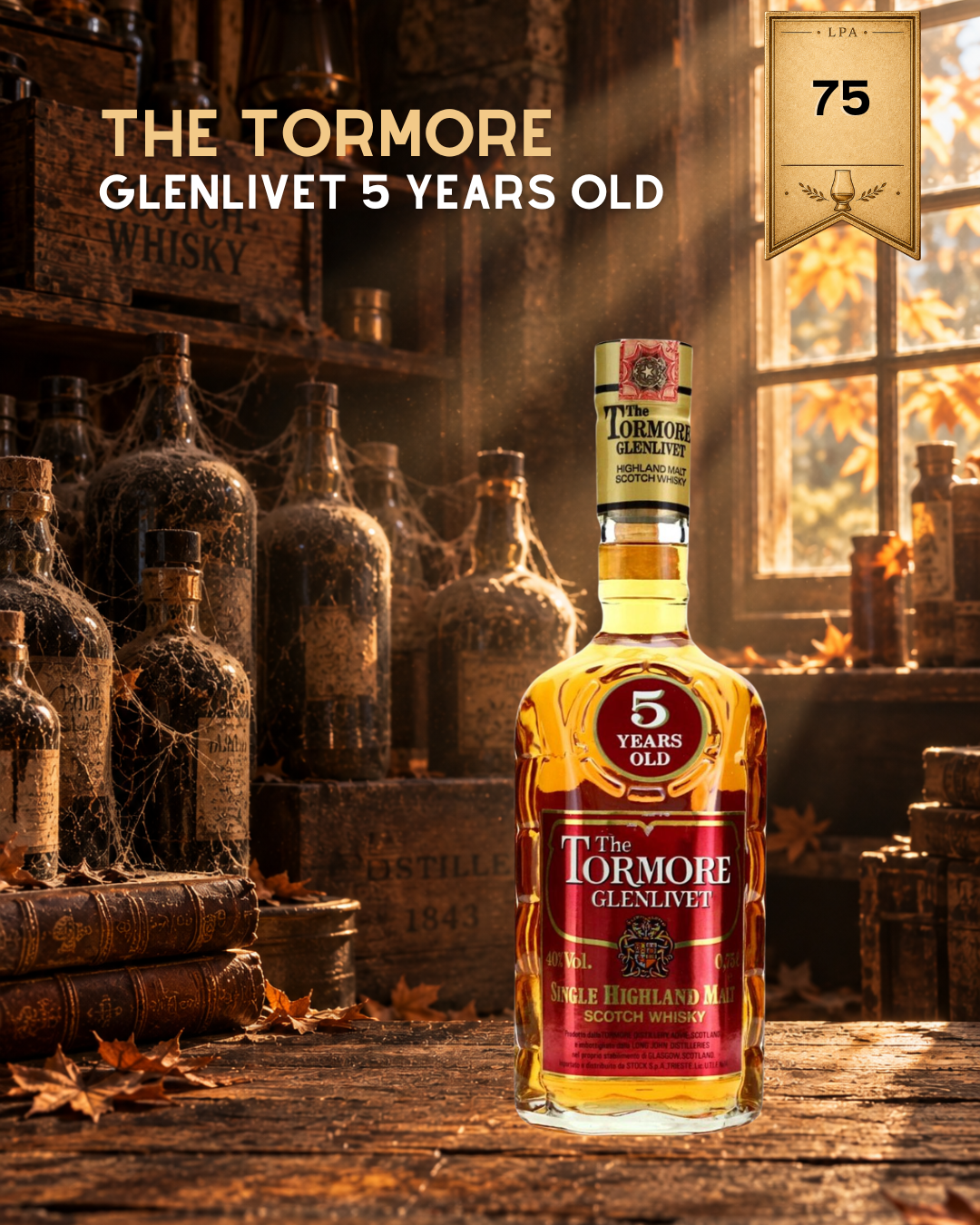
The Tormore-Glenlivet 5 years old, bottled at 40 % abv
First things first: Matured in oak casks, for real! This is a 1980s classic bottled by Long John Distillers.
Upon Sipping: Did Elixir Distillers find inspiration in this bottling for their purchase of Tormore? On the nose, between the effects of being in the bottle for a long time, the whisky does give off fresh whiffs of vanilla, fruit and oak. Nothing exceptional, but rather fine in the simpler days of single malt whisky. The taste is equally to the point. Sugary sweet, lots of barley, hints of raisins and fresh red apples. A decent, oaky finish gives this Tormore-Glenlivet (even offspring was named after Glenlivet back in the day) quite an edge. A little punch to elevate it above an average level.
Word to the Wise: Let us agree this is a fine example of what a 75 point whisky is. Good, gets the job done, does not make you think twice about pouring another glass.
Score: 75 points.
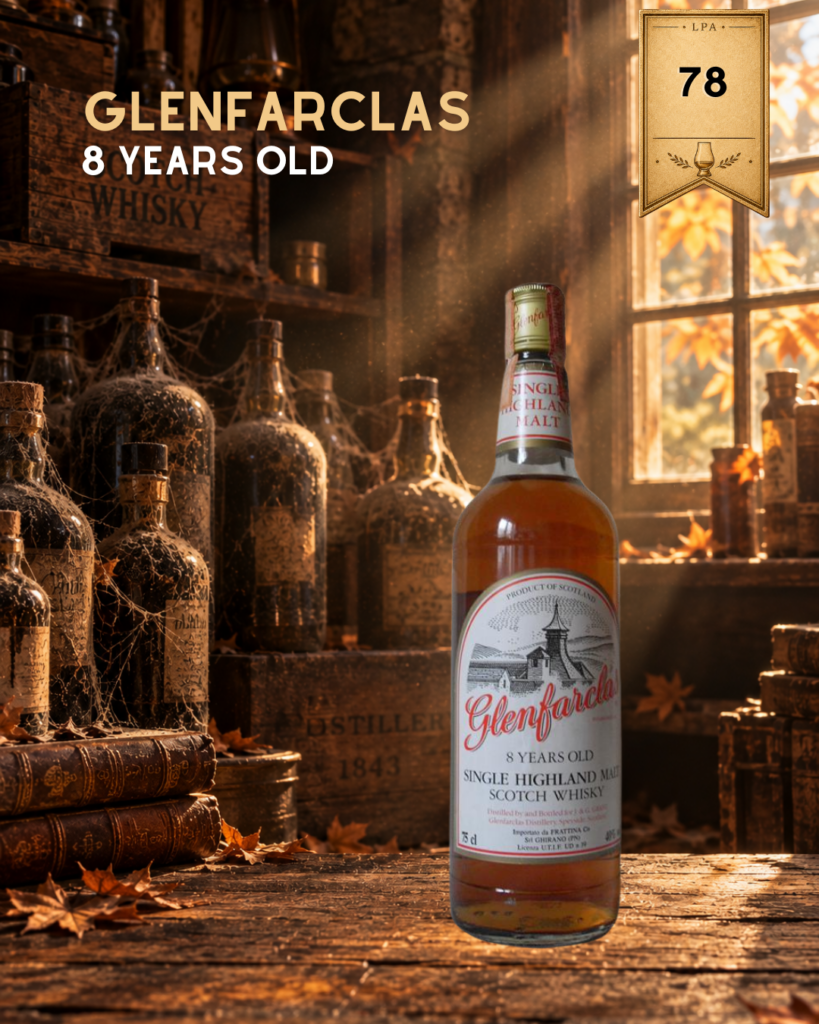
Glenfarclas 8 years old, bottled at 40 % abv for Importato da Frattina Co
First things first: Italian import in a 750 ml bottle, so probably 1980s stuff.
Upon Sipping: Very much influenced by OBE, so we give it time. That does not help, so we are stuck with strong hints of broth, and underneath some sherry influences. One could even mistake this for a light Demerara rum, which is commonly associated with Glenfarclas anyway. The palate is also not greeted by the most complex malt, but it has a tad more complexity compared with the rather simple Tormore above. In fact, this is quite raw, with the sherry impact quite heavy on the finish. Water does not do much for the nose, I had hoped to freshen it up a little. On the palate, a more sweeter note arises. Kind of lovely. The strong point of this Glenfarclas 8 years old remains the finish. It is long and luscious, full of sherry wood and tannins. That makes it a more interesting dram than the Tormore, even though not necessarily a better one.
Word to the Wise: It already carries some character, but it needs a few more years of mellowing out in the cask, certainly not in the glass.
Score: 78 points.
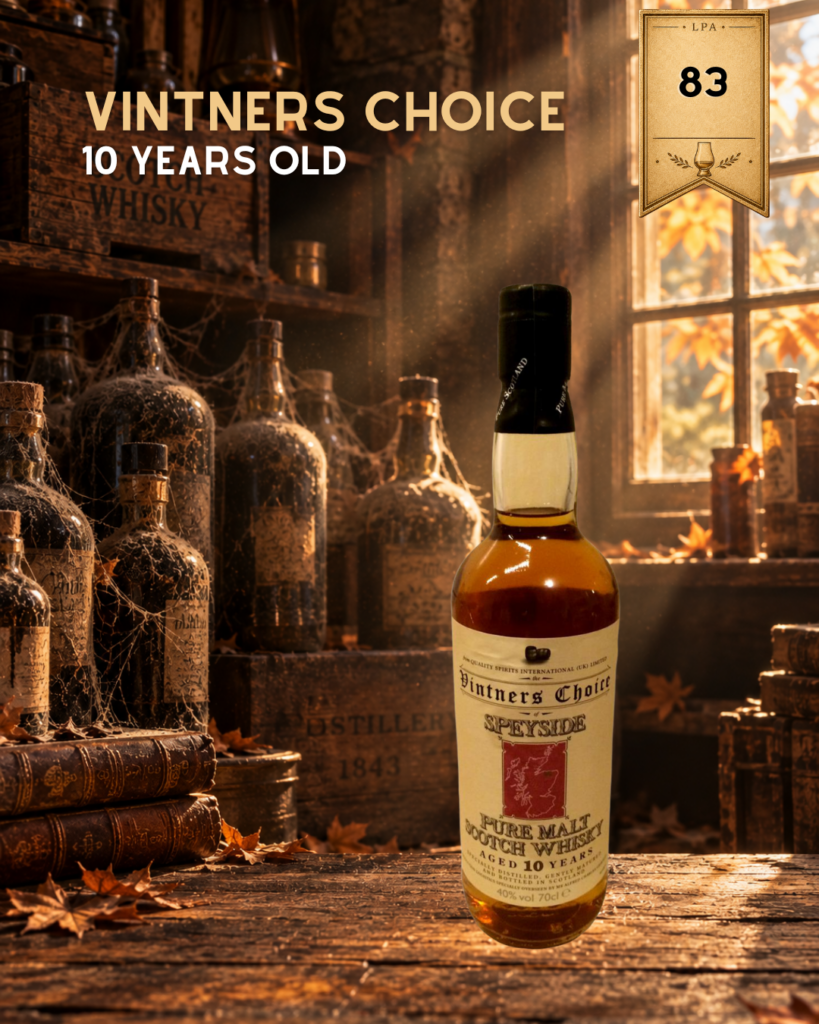
Vintners Choice 10 years old, bottled at 40 % abv by Quality Spirits
First things first: This sample was gifted to me by my good friend Daan, who is never afraid to try something unknown AND share it. I know little of the content of this whisky, but it says Speyside Pure Malt on the label, so this could be an old-fashioned blended malt, or just a single malt without the distillery revealed.
Upon Sipping: Vintner’s Choice seems to cover the whisky regions of Scotland first and foremost. For the Speyside edition they choose an elegantly sherried expression, Raisins, herbs, the simple things of life, some orchard fruits. On the tongue, the liquid carries good body and the stamp of oak and sherry is quite impressive. Deep reed cherry taste lingers when you swallow, with a dark wooded finish that lasts a while. A very decent backbone for a whisky at just 40 % abv. On repeated sniffing I pick up some strawberry cream. It also remains very clean and balanced.
Word to the Wise: Impressive stuff, and nice to play the guessing game with. It is not totally unlike a decent Glenfarclas or perhaps an old regime Tormore. Whatever the source, this is balanced and rewarding Speyside whisky.
Score: 83 points.
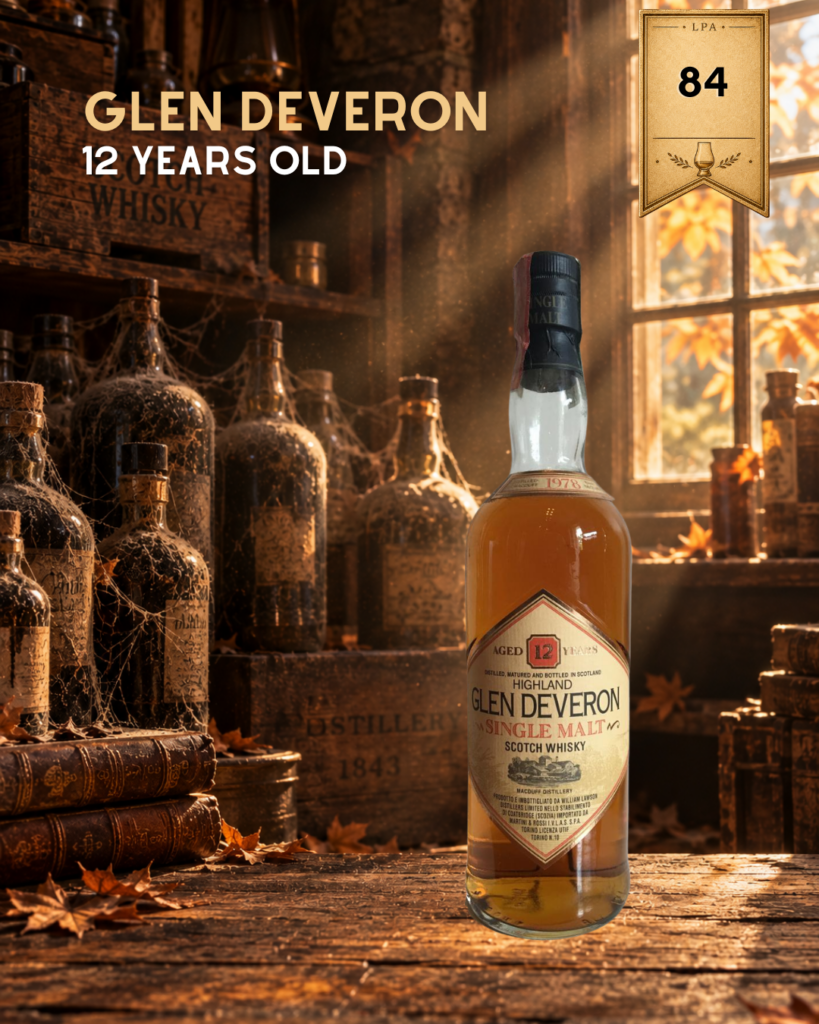
Glen Deveron 12 years old, vintage 1978, bottled at 40 % abv
First things first: An Italian import for Martini & Rossi in Turin. The vintage is mentioned on the neck label. Bottled around 1990.
Upon Sipping: This shows immediately that it has more power and backbone, compared to the more modest Speysiders we started with today. Rich in wealthy sherry casks, giving off the vibe of antique furniture and cigar leaves, but also some sultana and red apples. With a little more abv, this would have been a belter, but the times at which this was bottled were a lot simpler. The taste is honeyed and rather edgy, with some rubber on the mid-palate. The finish leans more towards a chocolate flavour. Good highland style, I must say, even though Macduff is closer to Speyside (also Highland, isn’t it?) and also a coastal malt, not unlike Glenglassaugh. A hint of coastal breeze can be picked up on the nose, but ever so slightly. With a drop of water, honey glaze does rise from the glass to the nose now. The taste goes down a more bitter path. This Glen Deveron 1978 also shows a decent spicy character, ground black pepper.
Word to the Wise: This is a nice time machine whisky that stood the test of time quite admirably, despite it being bottled at 40 % abv. Decent sherried stuff from another age.
Score: 84 points.
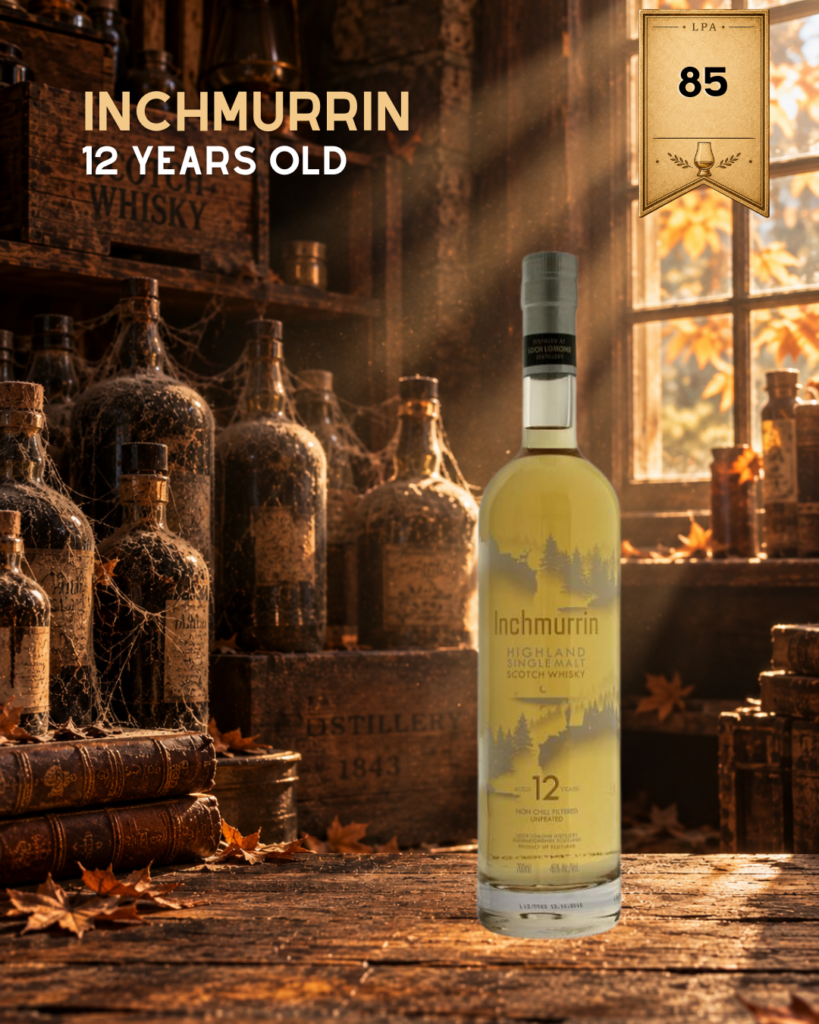
Inchmurrin 12 years old, bottled at 46 % abv
First things first: Loch Lomond experimented with finding the right presentation for their several variants. Along came these very tall bottles, also for Glen Scotia if I am not mistaken. It takes a few misses before you get it right, but what was actually in the glass? “Unpeated”, according to the bottle.
Upon Sipping: Very clear coloured, and a pretty decent nose, I have to say. Warm bread, vanilla yoghurt, a hint of wet cardboard and then the signature fruitiness we have come to love in Inchmurrin. Peaches and the sort. The taste is somewhat spicy and vanilla driven, but certainly not without its charm. The fruity signature is also very present here, with Chardonnay grapes and mango. I am a big fan of the more current releases of Inchmurrin, but it seems they were already well on their way with this bottling (from circa 2010). With water, I pick up a different side of the fruit bowl, perhaps more tangerine now. What is not to like about this? The mouthfeel is quite tender, with still a lingering cardboard hint, but nothing disturbing. I remember doing a tasting of all known Inchmurrin releases by the distillery, for a feature in a whisky magazine I was writing for. This bottle was a border case. Not yet perfect, but a departure from a weaker predecessor. Nice to taste this one again!
Word to the Wise: It could well be that Loch Lomond realised they had fruity gold on their hands with this release of the Inchmurrin single malt variant. It carries a lot of sweetness and offers a good summer experience.
Score: 85 points.
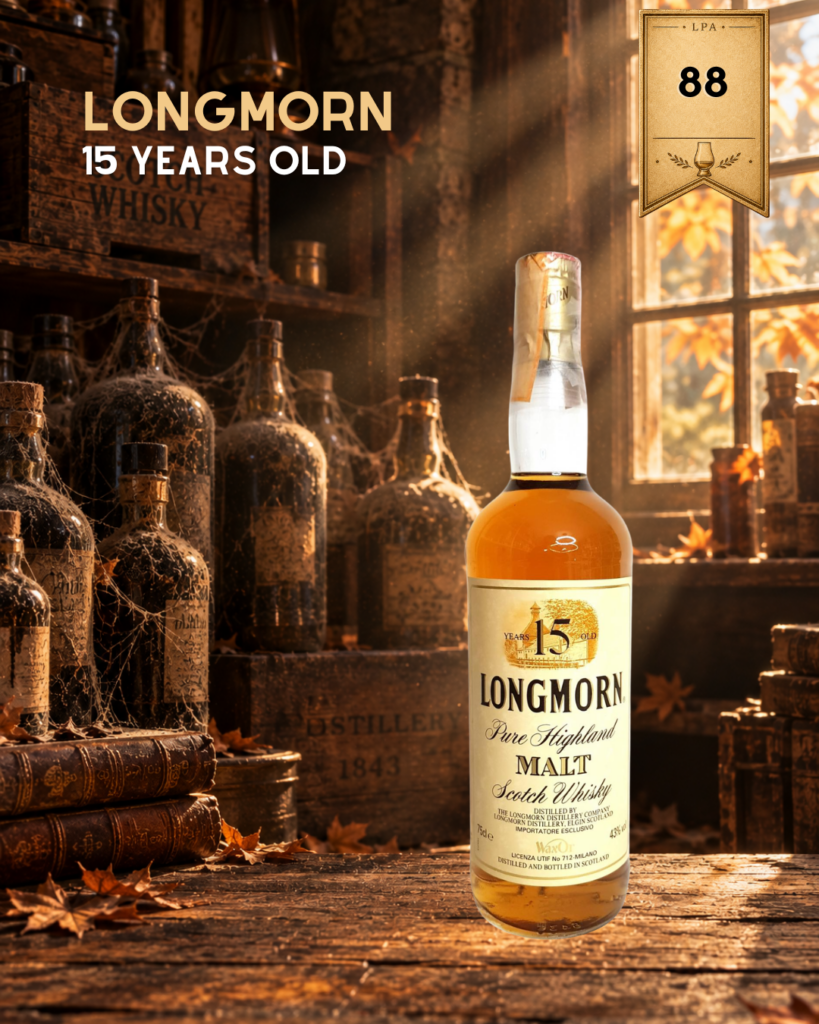
Longmorn 15 years old, bottled at 43 % abv
First things first: Matured in oak wood! A proprietary bottling with cream label for the Italian markets. Why did they get all the good stuff?
Upon Sipping: A blissfully fruity nose, with plenty of red fruit but also a hint of tropical influences. Mango, peaches, freshly washed strawberries from the cold ground. All of this is carried by a balanced, spicy undertone. The palate is quite creamy, with a metallic hint on the finish, which at first makes me think of a lovely old blend with a screw cap. A touch of bouillon that gives extra weight to the more fruity flavour sensations. Very subtle wood tones, perhaps hinting at some age, but the spirit remains firmly in the lead. It reminds me of a few old Ballantine’s bottles I once had the pleasure of tasting, a series of (I believe) 17, 21 and 30 years old. With a drop of water, a bit more OBE opens up, trailed by a touch of candle wax, old waxes, liquorice root too, a freshly opened bag of liquorice candy indeed, but never far from a more fruity side. On the palate a touch more metal, though the mouthfeel is now less sticky. The finish now warms for longer than before, with lovely but modest wood tones.
Word to the Wise: Marvellous stuff that survived the years amazingly.
Score: 88 points.